
The Impact of Camp, in Their Own Words
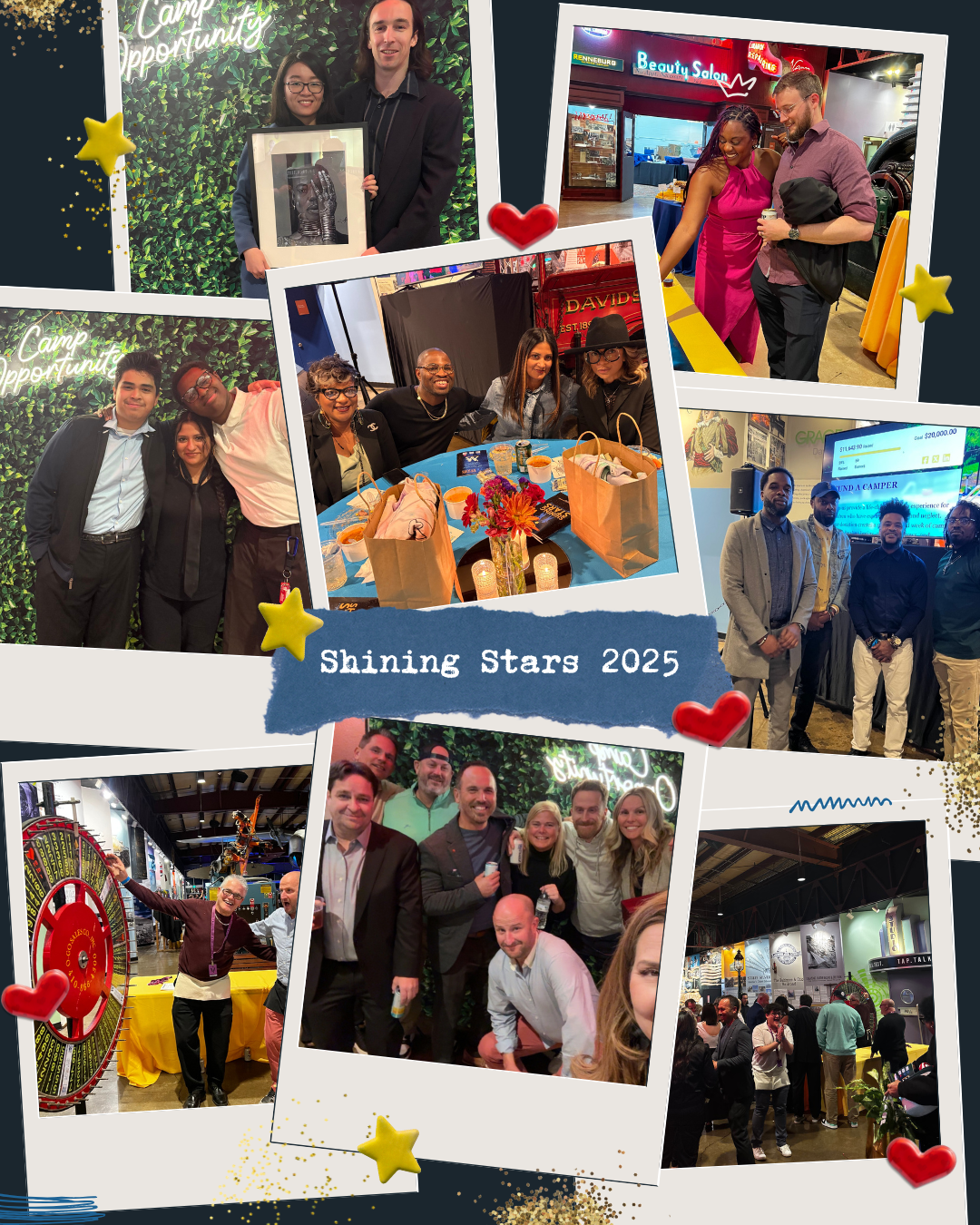
At our Shining Stars event, two of our counselors shared something deeply personal—excerpts from their college application essays reflecting on the impact Camp Opportunity has had on their lives. Their words reminded everyone in the room why this work matters.
We’re honored to share those reflections here, beginning with Isaac. His essay offers a powerful glimpse into what camp can mean when a young person is given safety, belonging, and the chance to grow.
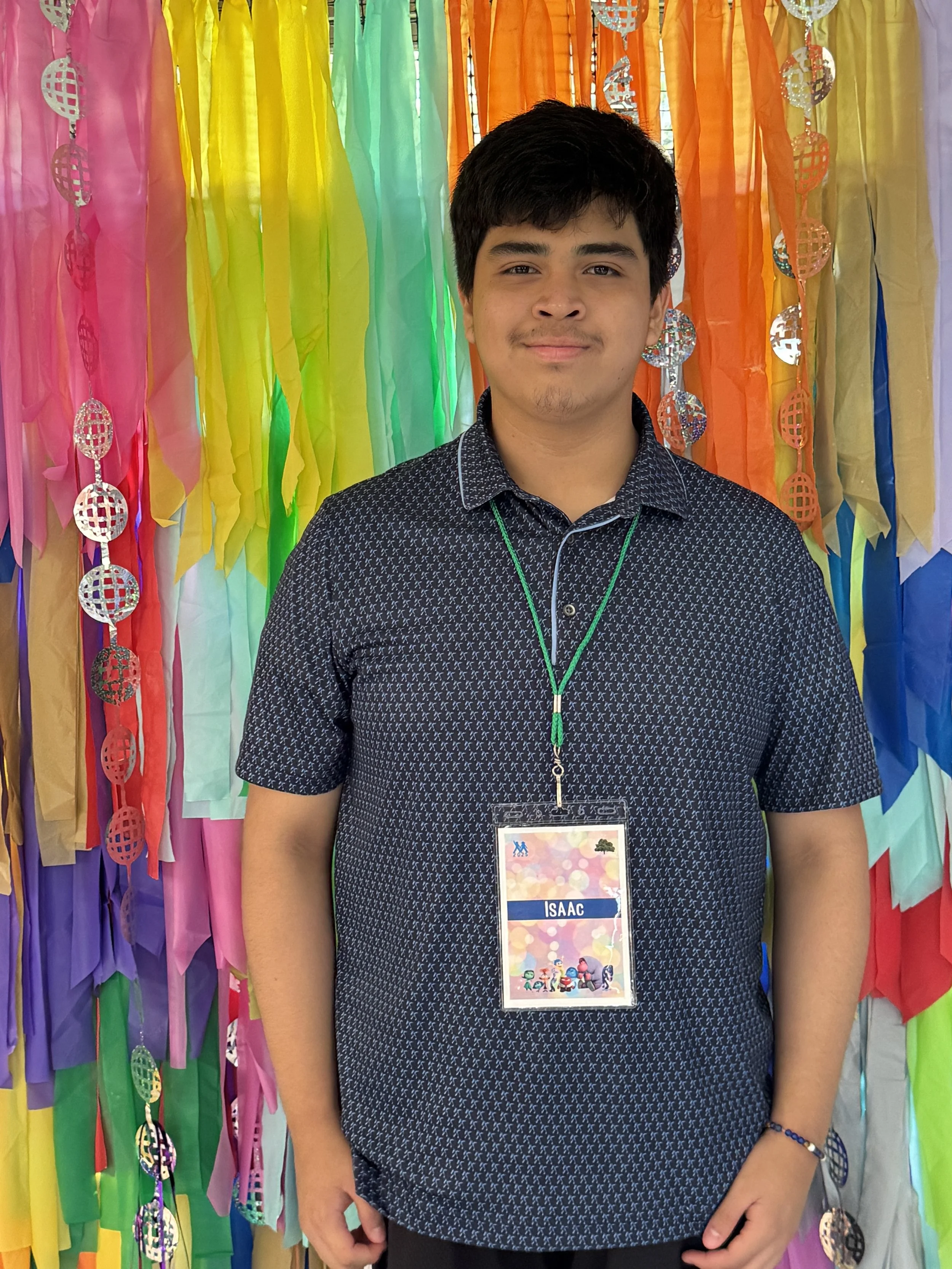
College Essay by Isaac Fuentes
I first arrived at Camp Opportunity on July 20th, feeling both uncertain and anxious. I knew I would be spending the week with children who had endured many hardships in their short lives, more hardships than what many face in a lifetime. All these children had gone through pain and hardships like abuse, neglect and abandonment, words that carry an immense weight, yet it often fails to capture the depth of the pain that they represent. Throughout the whole week, I couldn’t help but wonder: Would I be enough for these kids? Could I be someone they could truly trust and depend on? But I was certain about one thing: I would give them my all in order to help these children.
My goal throughout that week was simple but profound: to offer these children a glimpse of the love and care they had been denied. As the week began and the campers started to arrive, I was embracing myself for anger and resentment. Before camp started, I expected to meet children filled with hatred due to what the world had denied them. Instead, I was met with resilience. Our campers, despite all the hardships they had endured, they laughed, played, and sang silly songs. I watched from afar, a boy who hadn’t spoken all day quietly started to reach for his counselor's hand as they walked towards the next activity. From that moment, I began to see how the walls began to fall, not just theirs, but mine as well.
I wasn’t just a counselor for the campers. I became a person in which they could trust and rely on, someone who would always listen with all my undivided attention and without judgment. I tried to make sure that they were safe, not just physically, but emotionally as well. From this experience, I was able to discover a sense of purpose.
As the final day of camp arrived and the cars started to line up to take the kids back home, I kept telling myself that I wouldn't cry. But when the children were going into the car about to leave, I found myself in tears. Throughout the whole week I had tried to give them joy, patience, and compassion. I tried to give everything I had, but I didn't anticipate how much they had given me in return. They taught me a very valuable lesson that even in a world that is marked with cruelty, hope is always able to persist. Hope is able to live in laughter, in games like capture the flag, in stories shared around the campfire, and in the courage of a child learning how to trust again.
Leaving the camp, I carried more than just memories, I carried a valuable lesson and from that I also carried a mission. I learned to listen with empathy, to be present, and to put others before myself. I also learned that impact isn’t always measured by grand gestures, sometimes it can be found in the smallest acts of kindness.
As I move forward, I will carry the campers' voices, smiles, and the stories of our campers. They are a constant reminder of how change begins with compassion, and that hope is truly never lost when we choose to give ourselves to others.
Camp Opportunity gave me a purpose. These experiences and lessons reshaped how I see my role in this world, it influenced my desire to help the world in any way possible. In my future career I want to promote a safe and healthy environment. I want to help the people in need, improve their well being. And I want to teach them the same lesson I learned, the importance of hope, because hope persists even in the darkest moments.
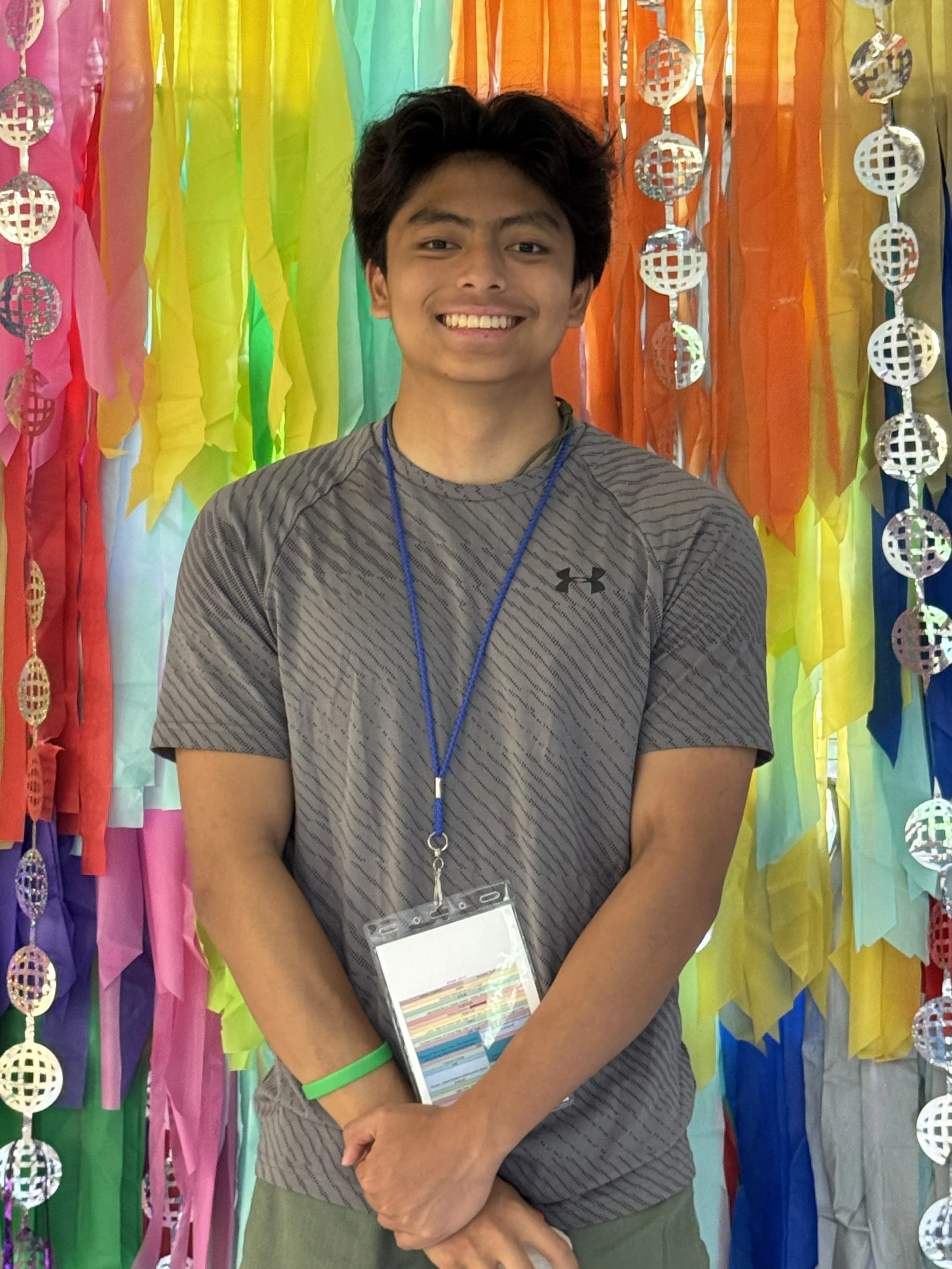
Isaac and Jaron met through Camp Opportunity and remain friends today. While their essays are written in very different styles, both reflect the lasting impact of camp. Jaron’s essay, The Little Rocket, offers a unique and meaningful perspective on the impact of camp.
The Little Rocket by Jaron Aquino
Cars honked, jammed up the parking lot, then slowly faded into a single line. As much as I tried not to, tears welled in my eyes. Finally, my composure broke when I saw Jack with his hands covering his face, sobbing gently as he climbed into the car that drove him away. The arms of two fellow camp counselors wrapped around me, and in that moment, I was overwhelmed with happiness and sadness, but, above all, I was content because I gave Jack a week of respite.
A few days ago, I woke to the squeals of 15 kids who had been up for an hour. It was exhausting, but I knew what I had signed up for when I volunteered as a camp counselor for abused and neglected children. I called out to Jack, my camper. His face was a little dirty from last night’s Capture the Flag game. As usual, there was some playful defiance and rolling around. Once washed up, we had our usual chat on the way to the cafeteria. Then, I made his oatmeal so that we could eat together before morning activities. We had developed a really nice routine.
Jack loved the pool. He usually sat at the edge, dangled his legs, then lowered himself carefully to where he could stand. One day, I was caught off guard when Jack playfully pushed me into the shallow end. Suddenly, three more campers joined in, splashing and wrestling me. I feigned my escape while they chased and dunked me with pure delight. When I emerged, gasping for air, their little faces broke into uncontrollable laughter. I loved that: a moment of joy and security—to show them that being physical could be harmless and fun.
After each day’s activities, campers attended Journey, a class about recognizing and expressing feelings. On one of those days, we gathered in a circle and shared what made all of us happy. When it was Jack’s turn, I was surprised when he answered, “Playing with Jaron,” pointing at me and smiling. We leaned in and gave each other a high-five. I was honored that he felt safe with me.
During one of the last nights at camp, I could hear Jack crying from his top bunk. I assumed it was because camp was coming to an end, so I peeked my head over, eye level with Jack, and whispered, “Tomorrow will be very fun. There will be capture the flag, s’mores, and your favorite…rockets!” He wiped his eyes and nodded, smiling. I gave him a fist bump and sat back on the bottom bunk. Within minutes, I heard him gently snoring.
After the counselors were debriefed about the day, we had free time each night. I worked on my “kudos,” a handmade gift, for Jack. I had thought about what to make him, and one activity from carnival night stood out: the air-pressured rockets. I gathered an empty Pringles tube as the body, a red cup for the exhaust and top, and orange streamers for flames. Finishing at 3 a.m., exhausted but proud, I knew it was the right choice.
On the last day, counselors presented their kudos to their campers. The lights shone brighter than usual when my turn came. As Jack’s name was called, I stood up from my seat and eagerly retrieved his gift from a back room. Everyone cheered his name as he moved to the center of the circle. I came back out, the rocket behind my back, and gave a little speech. I told everyone how much I enjoyed being Jack’s counselor—even with his unlimited energy. At the end, my voice wavered as I said, “Thank you for being my camper,” while presenting the silver rocket. He grabbed it and started running laps around the room in ecstasy. He hurried back to me, sat down, and said, “I love it!”
We both did.